
What the Mountain Can't Do For You
JUNE 29, 2026
The mountain creates the moment of recognition, but recognition alone does not change a life.
Ask yourself what you saw the last time something cracked your compensation. Then ask what you actually built into your life because of it.
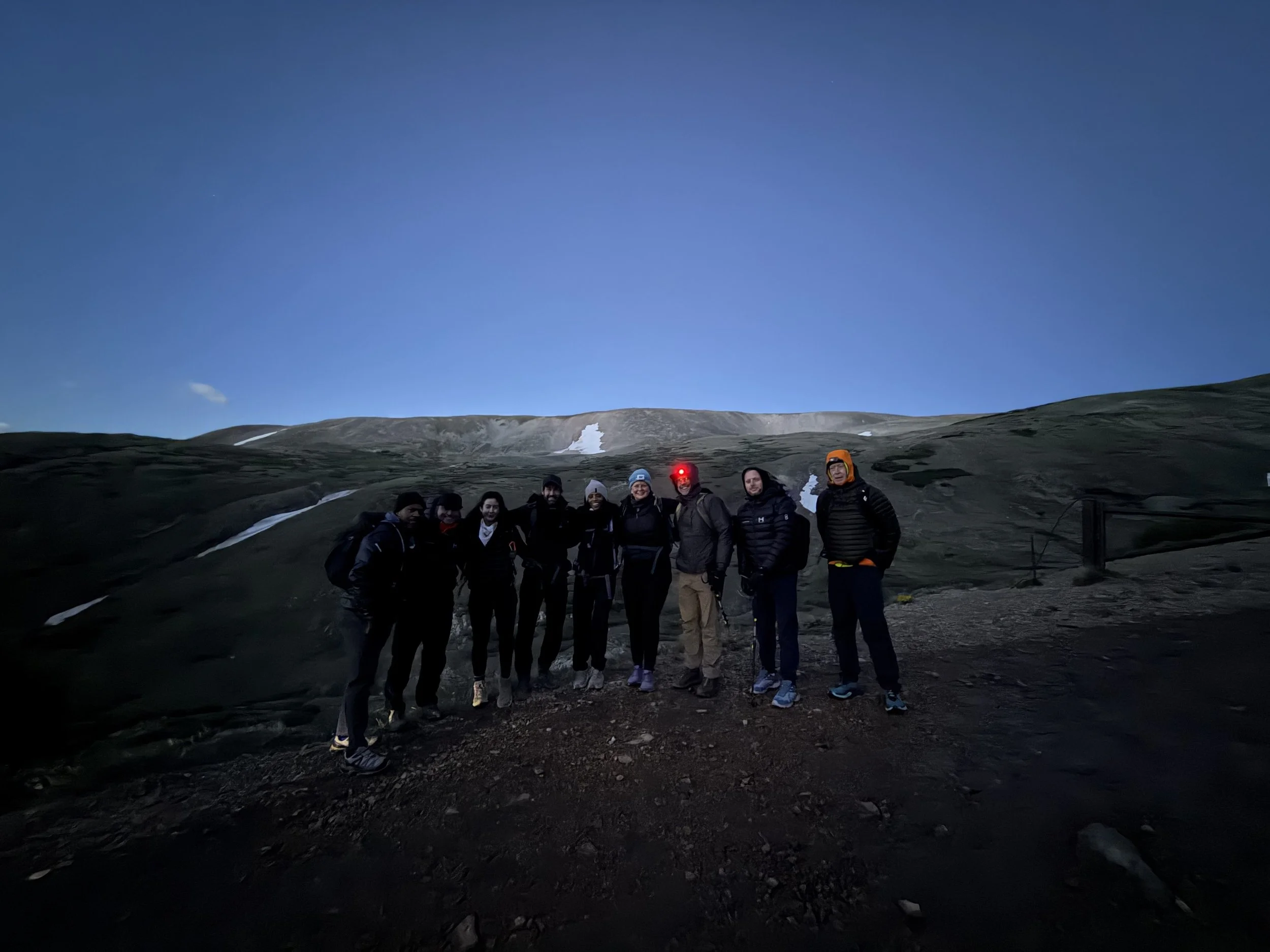
At 4 AM Saturday morning, we were at the Mount Sherman trailhead with headlamps on. Some of the people standing in the dark with me had never climbed a 14er in their lives. By Saturday afternoon, they were at 14,065 feet.
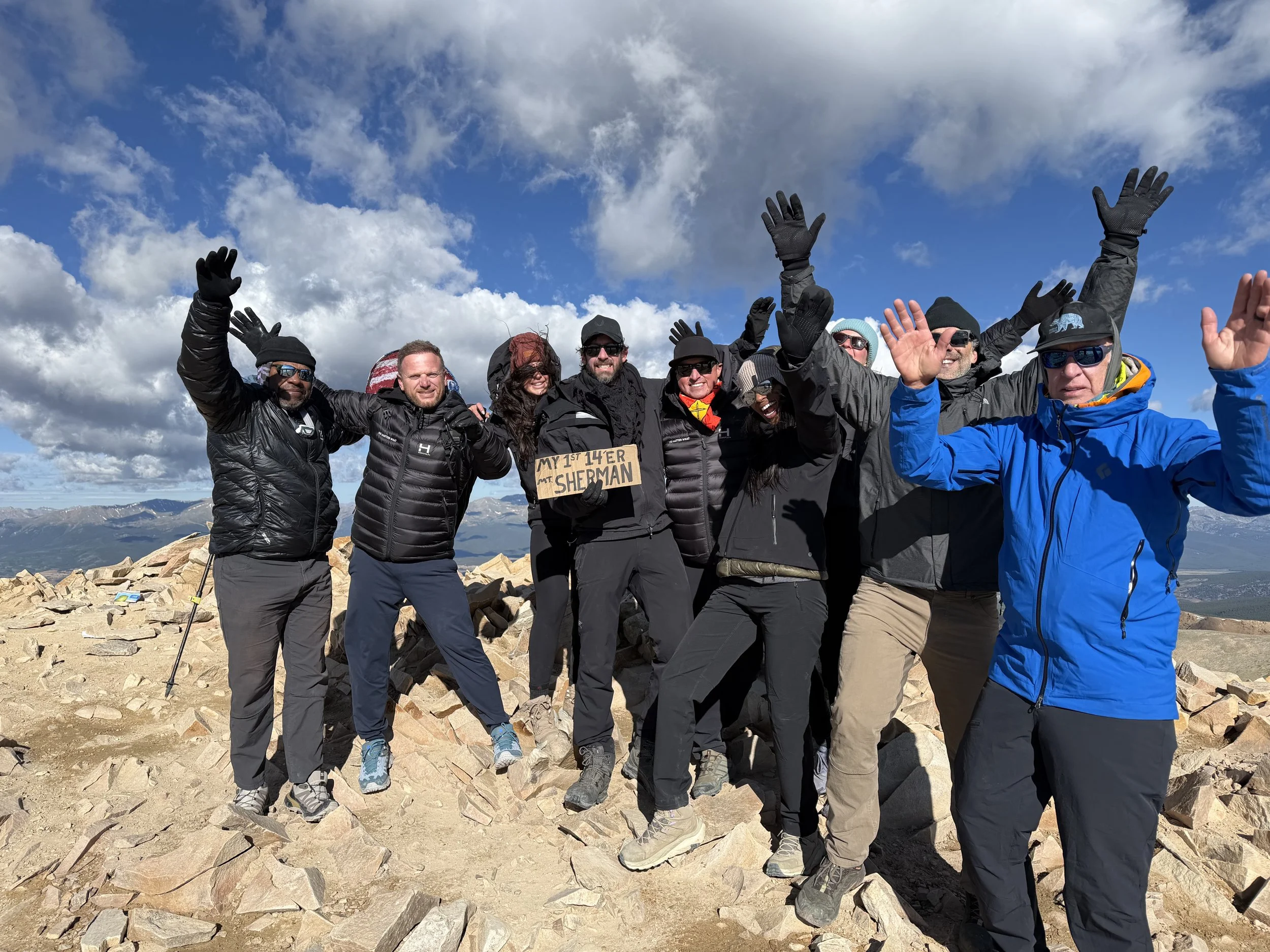
This is my favorite time of year. The retreat brings leaders out of their routines and onto the mountain together. Some of the people there I've known for years. Some I'd met for the first time in person. By sunrise, we were all on the mountain. By the afternoon, the first-timers were celebrating at the summit. Most of them did not see it coming.
This week, those in the US are celebrating Independence Day.
Freedom usually gets defined externally. The money you have. The boss you don't report to. The schedule you own. The company you built. By every external measure, the people I climb with are free. They run things. They built things. They could do whatever they want.
But, ask any of them what they might still be compensating for. Most couldn't tell you. They feel something gnawing at them they can't yet name. That's part of why they keep climbing.
The mountain doesn't care what you do for a living. It doesn't care how many people you manage. It doesn't care that you've built companies or run a household with three kids and a calendar that would break a normal person. The mountain just asks if you can keep putting one foot in front of the other when the air gets thin and the voice in your head starts negotiating.
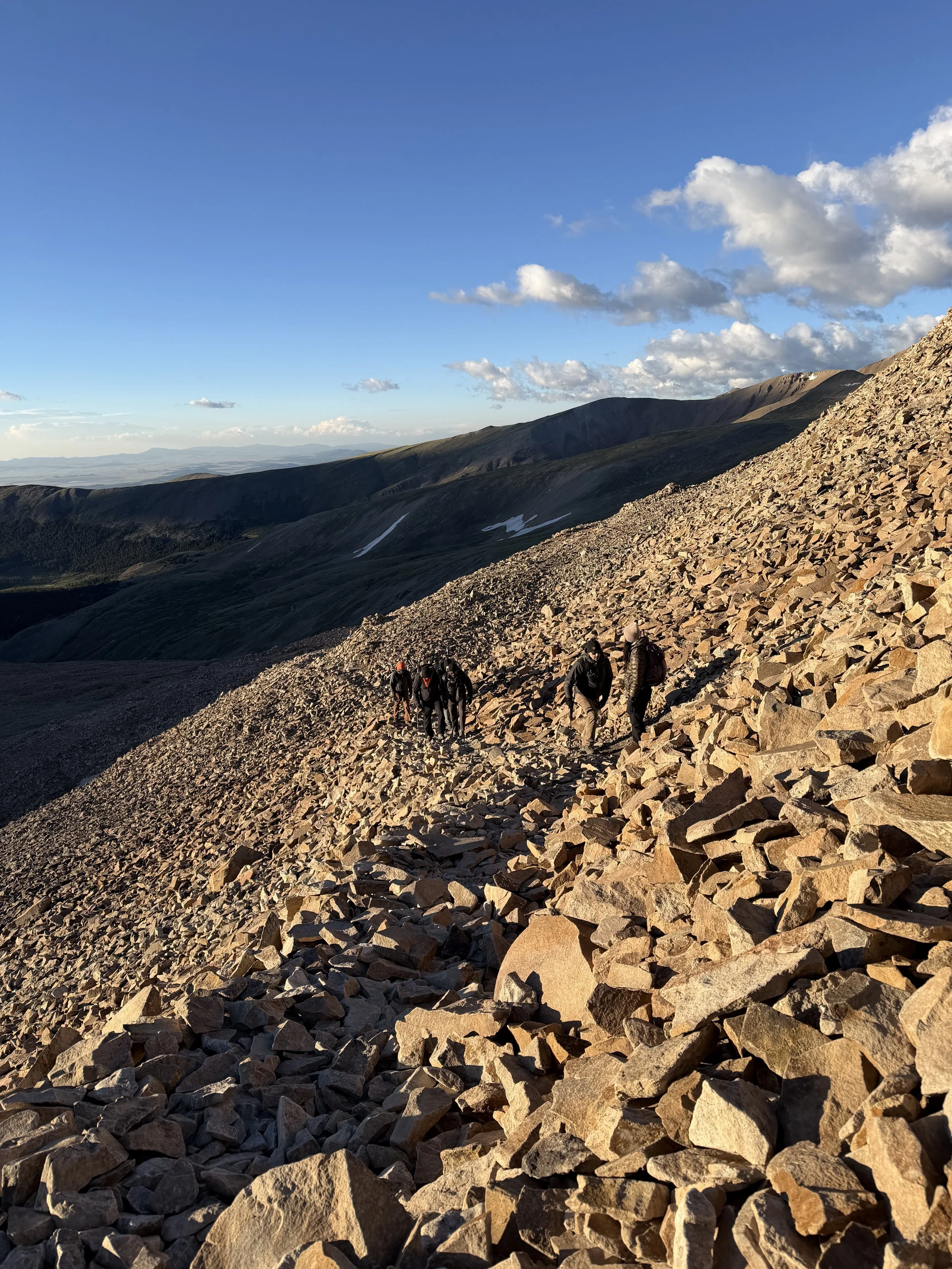
Somewhere above 13,000 feet, the talking stops. You become available to yourself in a way that you cannot access at sea level. The compensation cracks. You see what you've been managing, and you see what you've been managing it with. For some people that hits like grief. For some it hits like laughter. For most it hits like a quiet recognition that's been waiting for years to land.
For what it's worth, I've had my share of those moments. Apparently the body cooperates with honesty at altitude in ways it does not in a conference room.
And then comes the summit.
Many first-timers cry. Something moved during the climb that they did not see coming. There's joy. There's relief. There's the strange clean feeling that comes from doing something you weren't sure you could do. Photos get taken. Hugs are shared. We break out the sandwiches we’ve hauled up the mountain.
Then everyone drives home.
But then comes the most important part…
You go back to the same kitchen. The same office. The same calendar. The same people expecting the same version of you. Within a week, if you don't do anything different, the patterns are right back where they were. The compensation resumes. The fear you saw on the mountain quietly reinstalls itself, and you start telling the 14er story at dinner parties like it was something that happened to you instead of something that changed you.
Discipline does not solve this.
I'm not against discipline. But the people I work with don't have a discipline problem. They are some of the most disciplined people on the planet. That's how they got to where they are. Discipline is the engine that built the compensation in the first place. You can't use the same engine that built the prison to walk out of it.
What works is what comes after the mountain.
The Zoom that turns the moment into a plan. The structure my team builds with people in the weeks and months that follow. The people who can hear what you saw without trying to talk you out of it. The accountability that doesn't feel like another performance.
That part is built into every retreat we run for a reason. The mountain alone has never been enough.
The mountain shows you. The integration is what builds you.
Every country had to declare itself before it could become itself. Then it had to build itself. The framework. The structures. The slow, unglamorous work of becoming something the declaration only pointed at.
So does a person.
Real independence is not the moment of seeing what you've been compensating for. It's what you build in the months afterward, with people who can hold you to the thing you saw when the air was thin and the talking stopped...
Key idea:
The mountain shows you. The integration is what builds you. The mountain creates the moment of recognition, but recognition alone does not change a life.
Take away:
Ask yourself what you saw the last time something cracked your compensation. Then ask what you actually built into your life because of it.
Build your movement:
The people closest to you should know what you're actually working on, not just what you're producing. Tell one person what you saw. Ask them to hold you to it.