
What Commitment Reveals
AUGUST 24, 2026
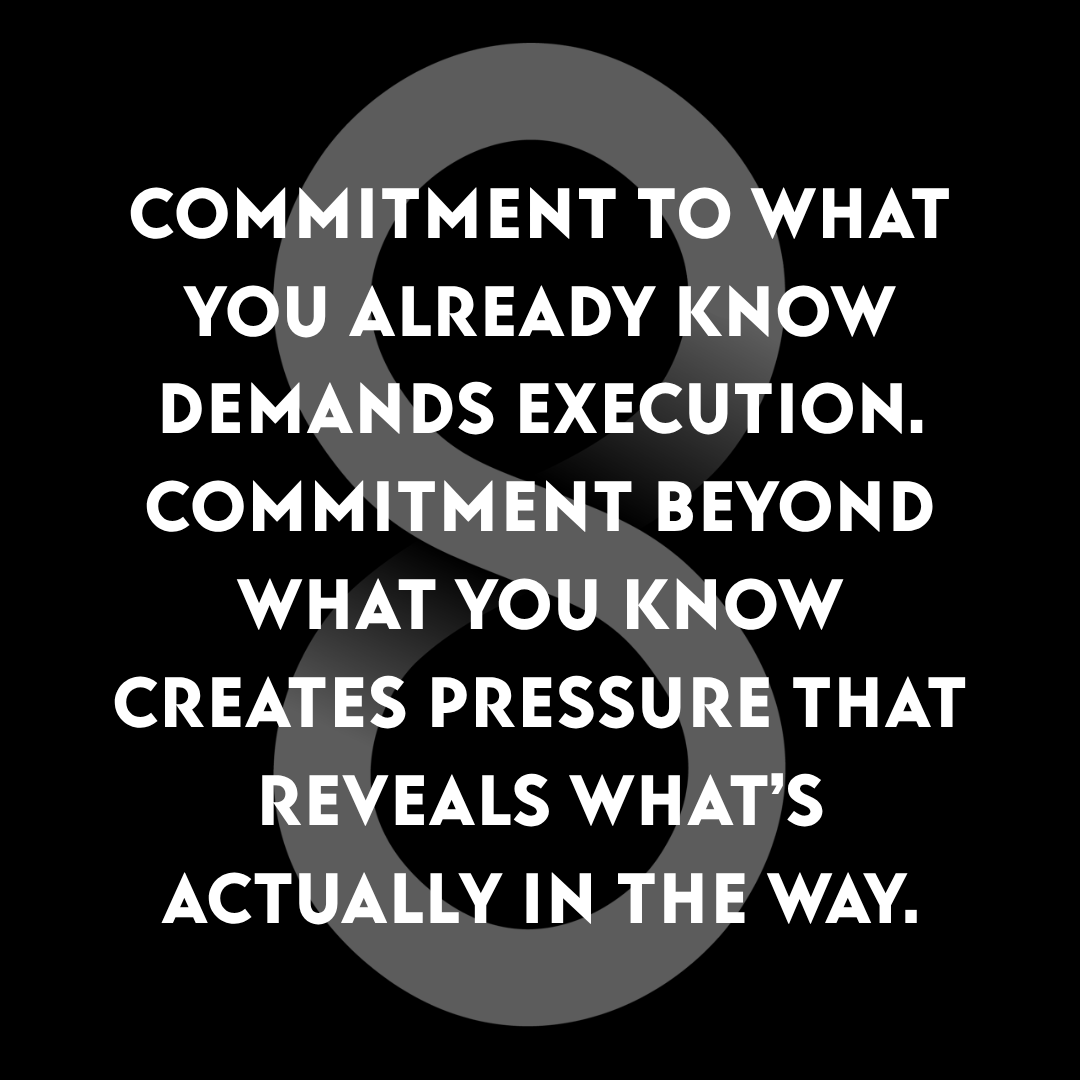
Commitment to what you already know demands execution.
Look at one commitment that matters to you. Ask yourself what keeps surfacing when progress gets difficult. The obstacle may not be the circumstance. It may be the pattern the circumstance is finally making visible.
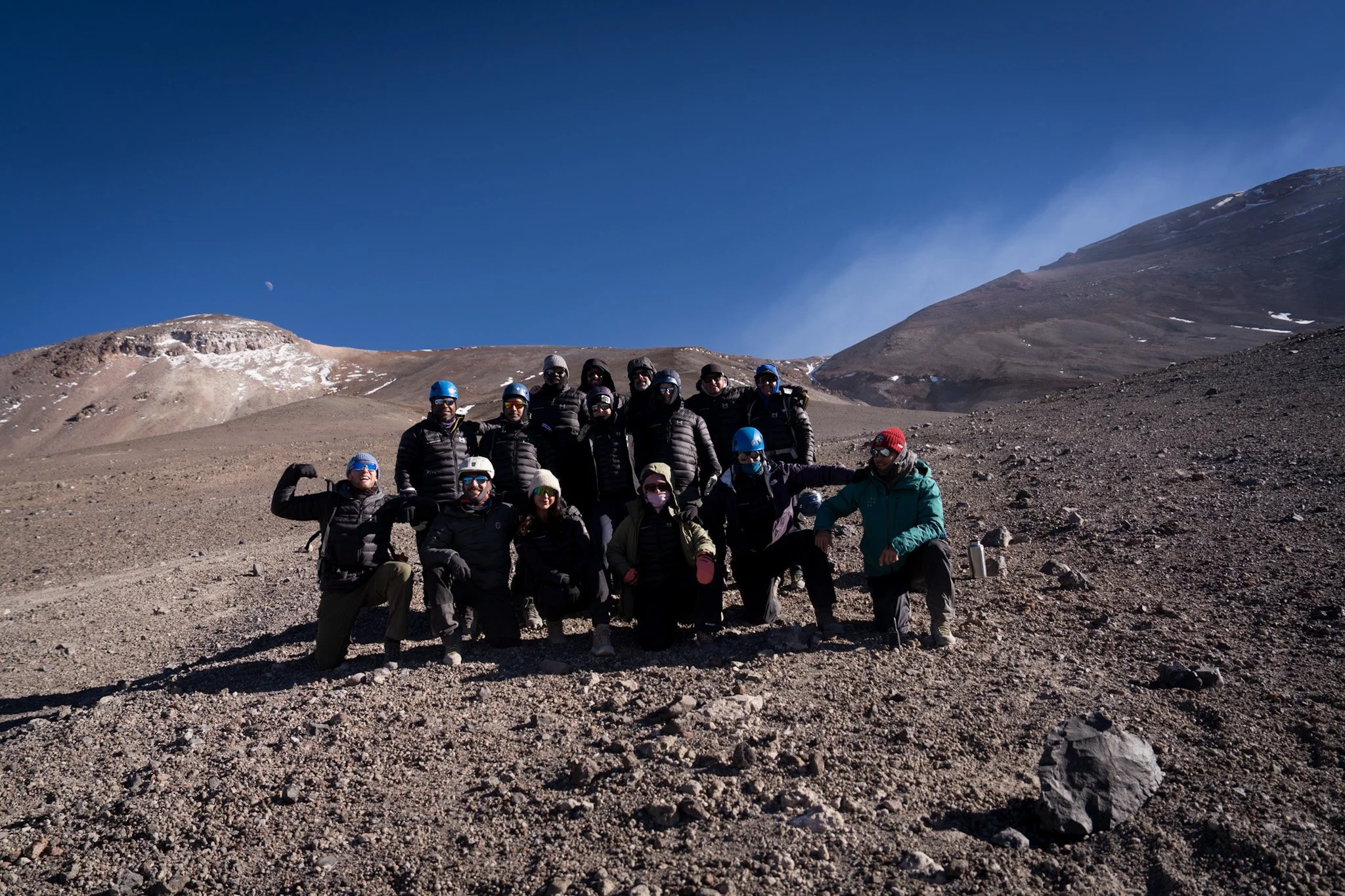
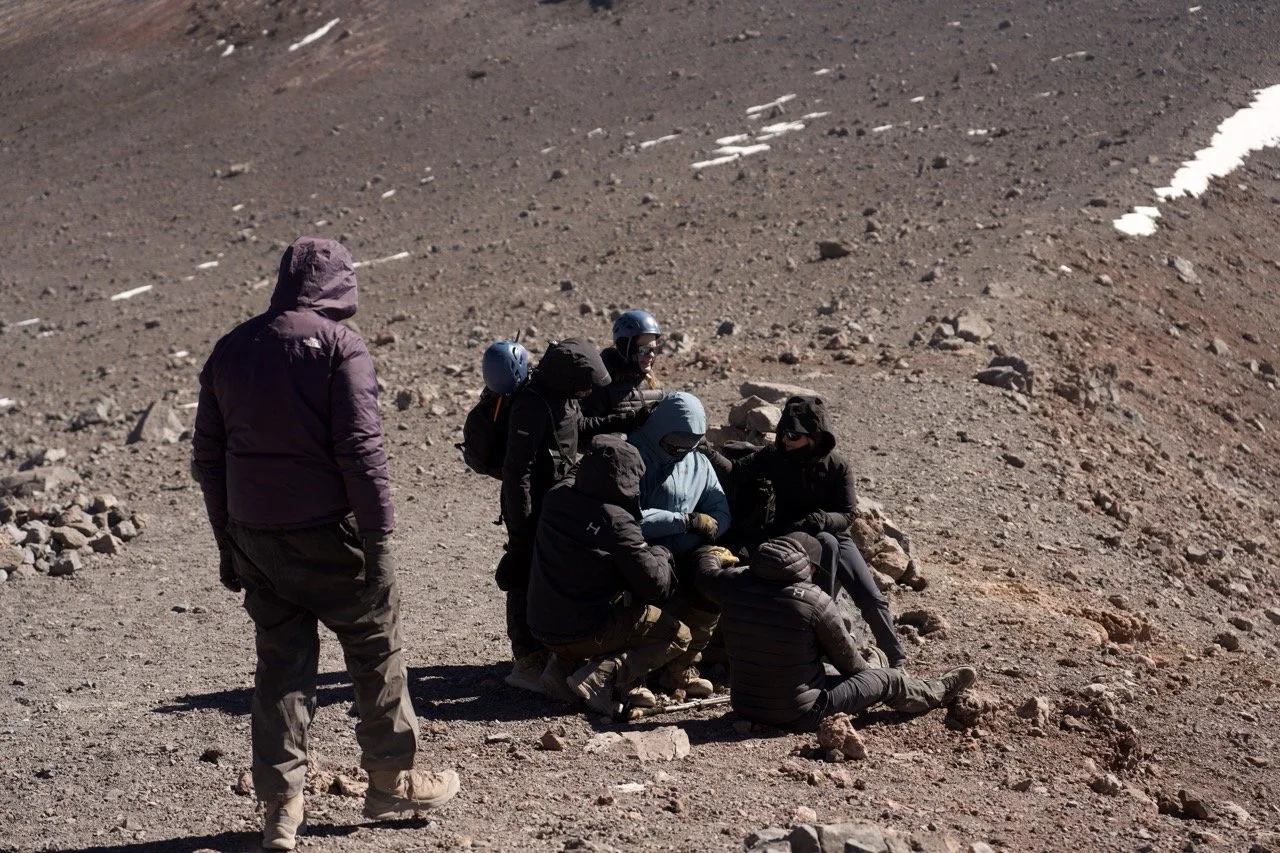
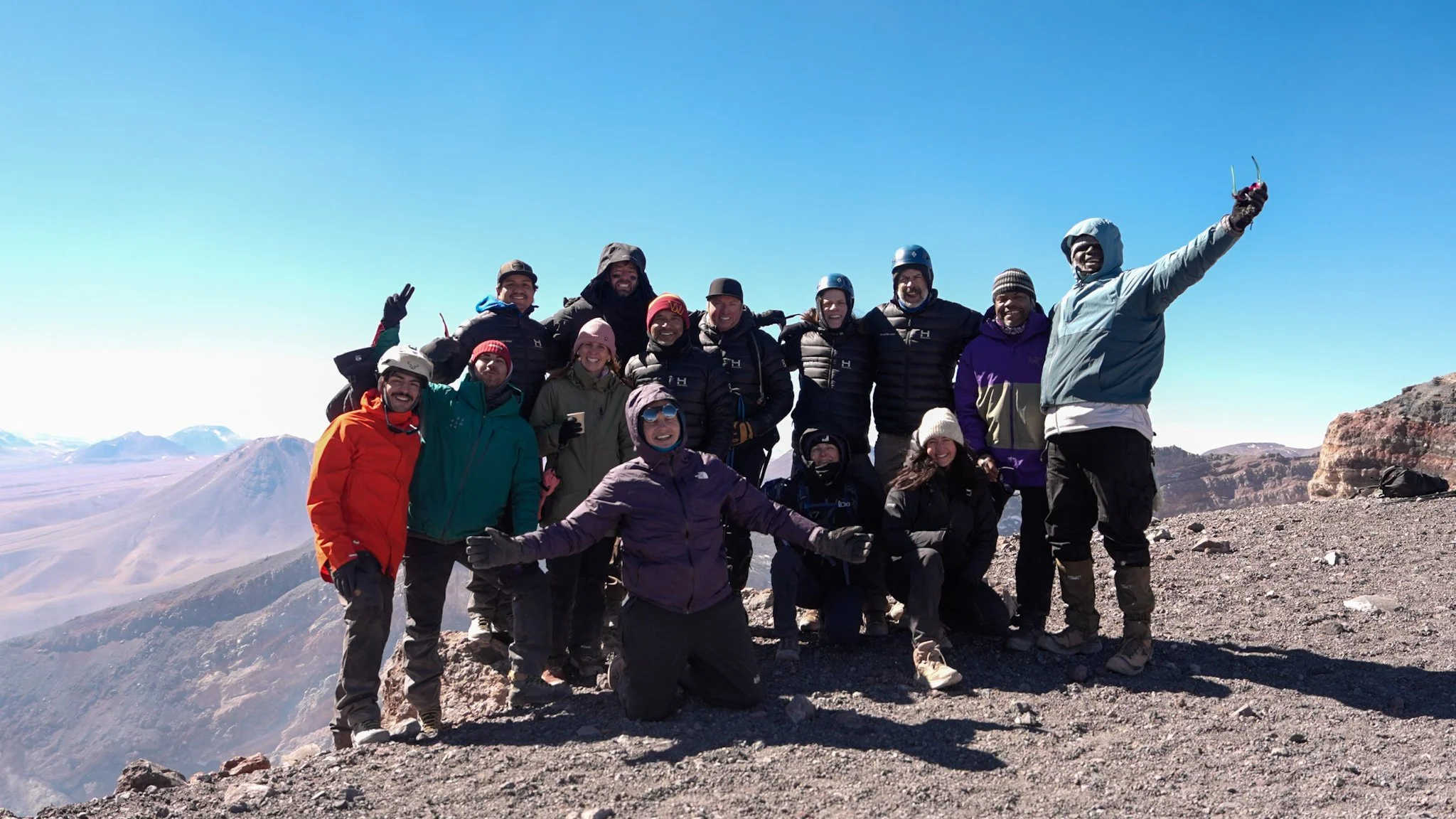
I’m back from our summer break! And just back from our No Matter What Adventure Retreat to the Atacama Desert in Chile.
Special does not begin to describe it. And I had front-row seats to my own growth and the growth of everyone there.
What I saw, first hand, is that most commitments ask us to do more of what we already know how to do.
Work harder. Stay disciplined. Follow the plan. Keep going.
There’s value in that.
But there’s another kind of commitment.
The kind that takes you beyond what you already know you can do.
Where you don’t have the whole plan. You can’t guarantee the outcome. You don’t even know for certain if you can achieve what you’ve committed to.
And eventually, the strategies that have always worked for you stop working.
That’s when commitment gets interesting.
Because once your usual way of operating is no longer enough, pressure starts to build. It’s unknown. It’s uncomfortable.
And that reveals things.
Fear. Control. Proving. Validation. Avoidance. Stories you’ve been living inside for so long that they stopped looking like stories and started looking like facts.
Commitment doesn’t just test your resolve. It reveals what’s in the way.
Antwon came to Chile with us. He’d spent decades as an education professional. He was good at it. Known for it. Then he walked away to begin a completely different chapter as an author, speaker and comedian.
He had the vision. He had the talent. But a year later, he still hadn’t really moved.
On Lascar, a volcano last active in the early 2020s, somewhere around 17,000 feet, one of the things that started surfacing was control.
Antwon was used to knowing what came next. Knowing the role. Knowing the expectations. Knowing how to prepare.

The mountain gave him very little of that.
The altitude didn’t care about his plan. The terrain didn’t care about his timeline. Again and again, he found himself in situations he couldn’t predict, manage or organize his way through.
And when control stopped working, he had to see how much he depended on it. What was true on the mountain was true everywhere.
That was Antwon’s version. But everyone on that expedition eventually met something.
For one person it was control. For another, fear. For someone else, the need to prove something, withdraw, perform, push harder or take care of everyone but themselves.
The experience didn’t create those patterns.
The commitment beyond what they already knew they could do revealed them.
That’s one of the things we misunderstand about commitment. We tend to think its value is discipline.
Accountability.
Follow-through.
Finishing what you started.
All true. But those are mostly the benefits of commitment when you already know how to get where you’re going.
Commit beyond what you already know you can do, and something else happens. Your answers eventually run out. Your usual strategies stop producing the result. You can’t simply execute your way through.
And now you’re under pressure.
That pressure is the point.
Because as long as something remains optional, we can negotiate with ourselves almost indefinitely.
You know what you’ve told yourself.
Maybe this isn’t the right time.
I have too much going on.
I need more information.
I’ll deal with it next quarter.
Something came up.
The dangerous thing about most excuses is that they’re reasonable.
But reasonable excuses can protect deeply unreasonable limitations.
The fear underneath the hesitation.
The need for control underneath the planning.
The insecurity underneath the performance.
The avoidance underneath the busyness.
We can spend years working around those things without ever having to face them.
Until the commitment gets strong enough. Then the exits start disappearing. And what’s actually in the way begins to show itself. That’s what I watched happen in Chile.
Different people. Different patterns. Same mechanism. The physical challenge created pressure, but the real work wasn’t simply hiking farther or climbing higher. The real work started when the strategies people had relied on for years stopped getting the job done.
When control didn’t work. When grit didn’t work. When staying busy didn’t work. When pushing harder didn’t work.
That’s when commitment becomes more than executing on a goal.
It allows us to confront ourselves.
This is why No Matter What matters.
Obviously, don’t blindly force every goal to happen. Don’t assume changing course always means failure. And don’t believe commitment means you can—or should—guarantee every outcome. Commitments that matter never guarantee the outcome.
Commitment guarantees the confrontation.
When you commit beyond what you already know you can do, you eventually reach a point where what got you here is no longer enough.
That’s the pressure cooker. It turns up the heat on the things that normally stay hidden: fears, habits, doubts, blind spots, attachments, even stories mistaken for fact.
We start to see the parts of ourselves we’ve spent years managing around.
And this is where most people back away.
Not necessarily because continuing is impossible.
But because continuing would require confronting something they’d rather not see.
We very often don’t have an information problem.
We know the books. The frameworks. The conversations we need to have. The things we’ve repeatedly told ourselves—or everyone around us—we’re going to do.
What we often don’t have are conditions strong enough to expose why we still haven’t done it.
That’s the deeper value of commitment. Commitment to what you already know demands execution. Commitment beyond what you know creates pressure.
Pressure reveals what’s in the way. And once you can see what’s actually in the way, you finally have something real to confront. That’s where change becomes possible.
No Matter What doesn’t mean you already know how.
It means you’re committed enough to find out what’s stopping you.
And willing to stay in it long enough to do something about what you find.
Key idea:
Commitment to what you already know demands execution. Commitment beyond what you know creates pressure that reveals what’s actually in the way.
Takeaway:
Look at one commitment that matters to you. Ask yourself what keeps surfacing when progress gets difficult. The obstacle may not be the circumstance. It may be the pattern the circumstance is finally making visible.
Build your movement:
Tell one person what you are committed to and what you suspect may actually be in the way. Give them permission to point it out when they see you reaching for an exit.