
The Power of Being Last
SEPTEMBER 28, 2026
Some of my favorite moments on these retreats have nothing to do with the summit. Thank you to my friend John Windsor, an Executive Fellow at Harvard, for putting words to one of them.
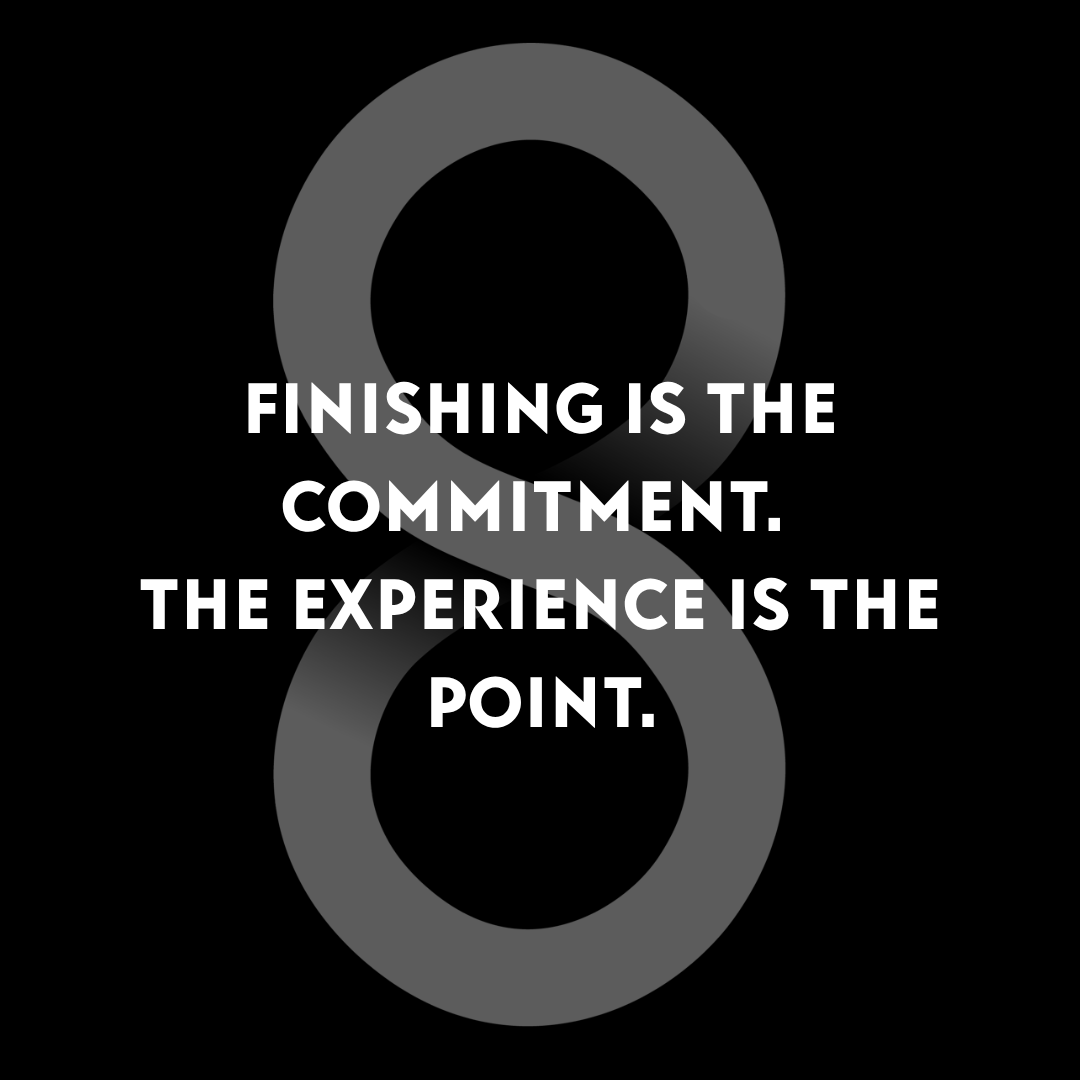
No Matter What means you stay in it, not that you go fast or look good doing it. The commitment to finish holds everything together, but the growth and connection happen inside it. If you only chase the finish line, you can hit every goal and still miss what the goal was for.
The finish is the container. What happens inside it is the point.
Some of my favorite moments on these retreats have nothing to do with the summit. Thank you, John Windsor, for putting words to one of them, and thank you, Naren Aryal, for showing us what it looks like to be proud of the finish no matter where you come in. More than 7 hours in the snow, and not one person was checking their watch against anyone else's. Worth the read.
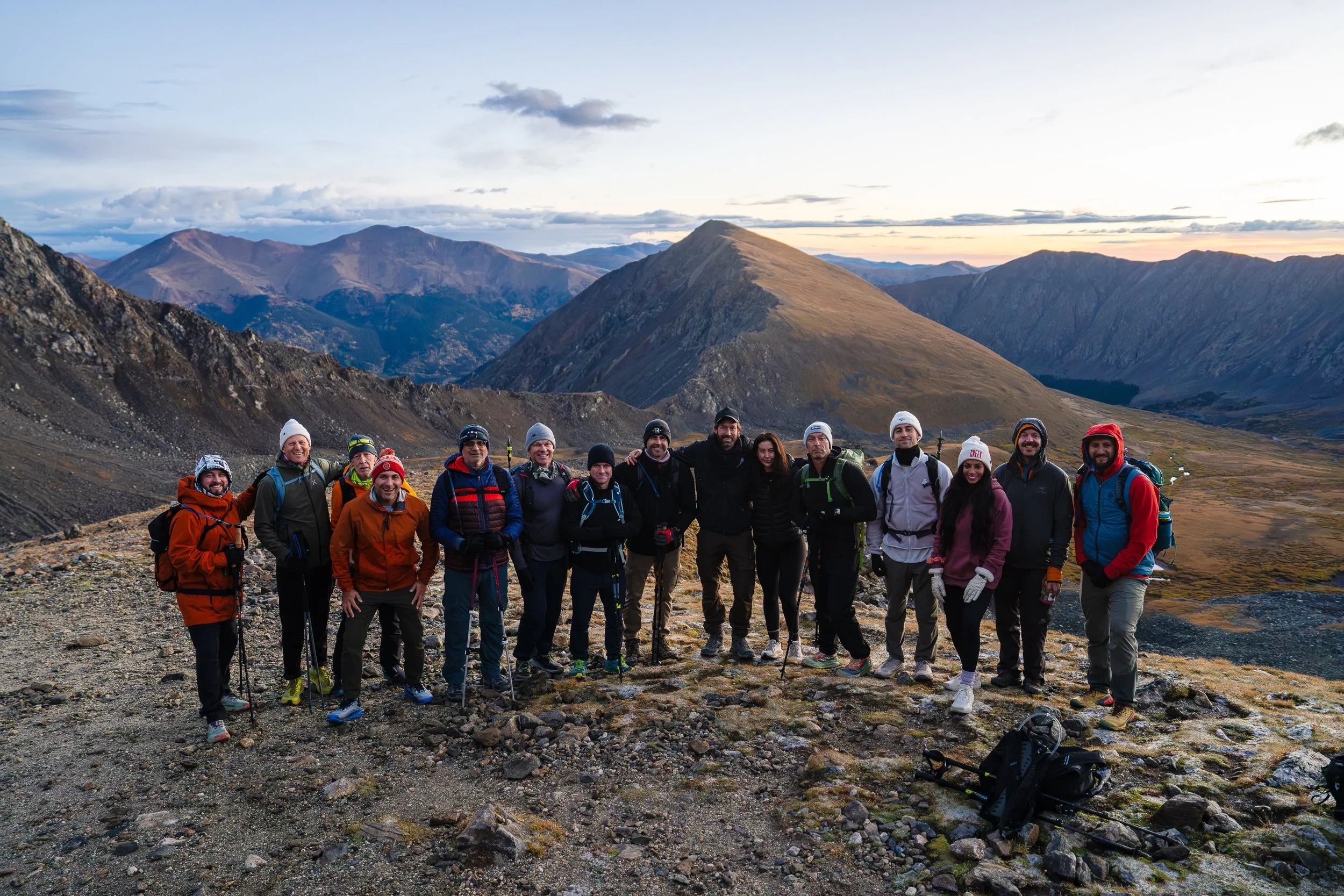
The night before we climbed Grays and Torreys Peaks, two well-known 14ers in Colorado, everyone at dinner knew the weather was coming. The forecast had a storm rolling in by late morning, which meant a 1:15 a.m. departure time and a 2:30 meeting time at the trailhead. For a lot of people at that table, it would be their first 14ers. You could feel it in the room, that particular nervous energy that shows up when a group has agreed to something hard and is quietly reconsidering.
Sterling Hawkins had built something in that room, though. It was a container steady enough that nobody had to perform confidence they didn’t have. And into that space, Naren pulled out his medal.
Naren Aryal is my publisher at Amplify, and one of the best humans I know. The weekend before, he’d done Jesse Itzler’s 29029 in Sun Valley, where you climb the same mountain over and over until you’ve gained the height of Everest. You get 36 hours. Naren finished in just over 35. He was the very last person across the line.
He wasn’t embarrassed about it. He was proud of it. He passed the medal around the table, showed off his 29029 hat, and told the story of those final hours like it was the best thing that had ever happened to him.
I fucking loved it.
Something shifted in the room. The people who were worried about keeping up stopped worrying. The people who were quietly planning to race up the mountain stopped planning. Naren had just made being last the most celebrated thing at the table, and that one reframe changed the whole trip.
Sterling’s mantra is “No Matter What.” On paper, it has an edge to it, the kind of phrase you’d expect shouted at you by someone in a headset. But Sterling holds it with compassion. It isn’t “no matter how fast,” and it isn’t “no matter how you look doing it.” It just means you stay in it. That night, it gave everyone permission to go at the pace they were comfortable with.
—
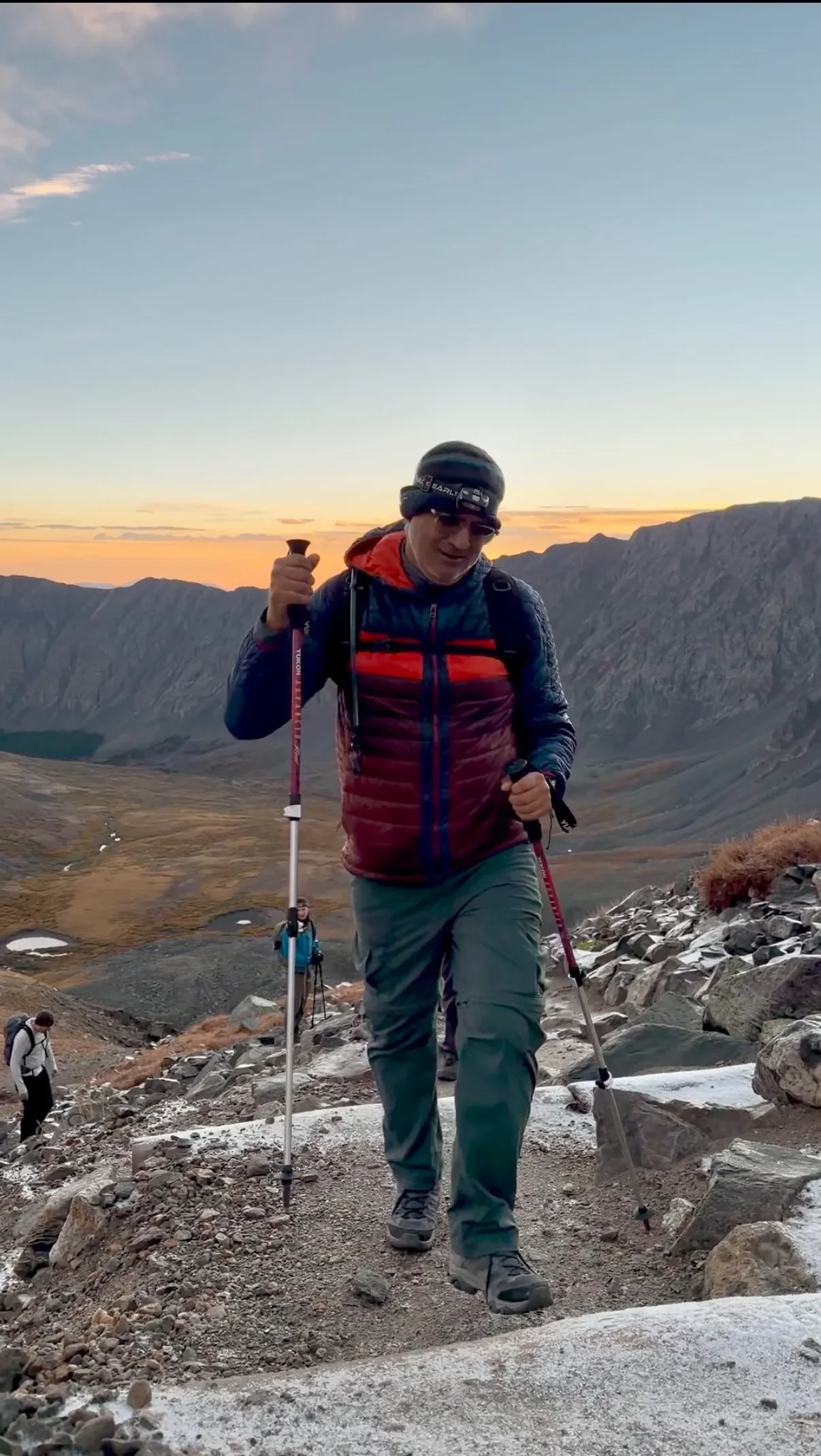
At 2:30 we started up the trail by headlamp. For most of the climb we couldn’t see what we were attempting. We could see only the circle of light at our feet and the breath of the person ahead. The snow started before we got to the saddle. We were on the mountains for seven hours and fifty minutes.
Naren was slow. He was also completely fine with being slow. He wasn’t apologizing, and he wasn’t checking his watch against anyone else’s. He was on the mountain seizing the day. That acceptance spread through the group. People looked around more. They stopped to talk. They enjoyed the whole day instead of just the summit.
I’ve spent my life in the mountains, and I don’t think I’ve ever appreciated so clearly that finishing and having the experience are not the same thing.
Finishing is the commitment. It’s the 1:15 departure time, the dark trail, and the decision not to turn around at hour five when your legs are gone and the snow is blowing hard. Without it, nothing else happens.
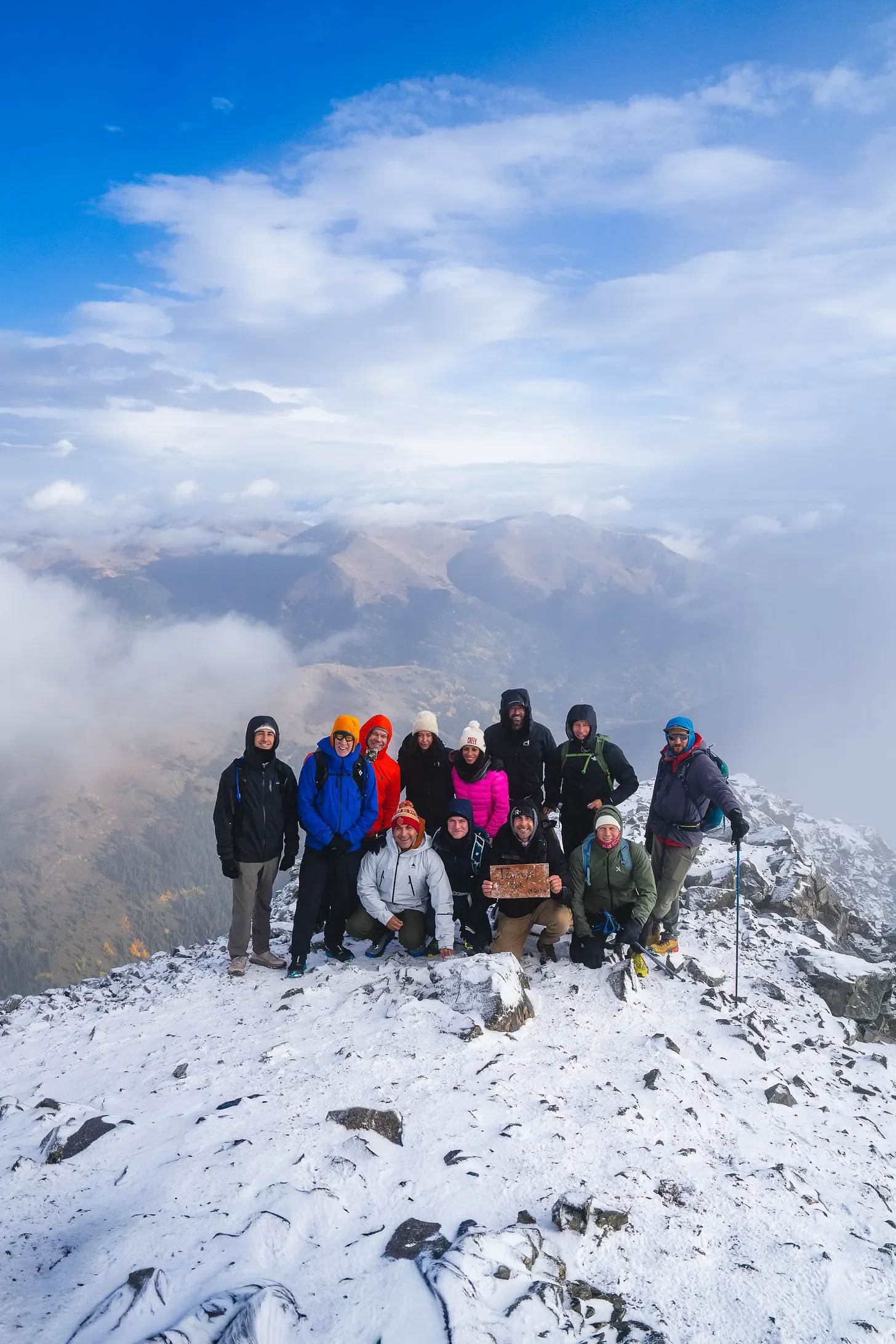
But if finishing is all you’re chasing, you get a death march. You summit, you check the box, and you remember almost nothing.
The finish is the container. What happens inside it is the point.
I keep thinking about this in the context of AI, because almost every leader I talk to is racing. They want to deploy first and scale fastest. They’re afraid of being the one who shows up at hour 35 while everyone else is already home.
But exploration has never really rewarded speed. It rewards staying in the unknown long enough to learn something, and coming back with it. The leaders who will actually win in this moment aren’t the ones sprinting to a deployment they can’t explain. They’re the ones willing to commit to the whole climb, dark hours included. They’re paying attention and learning as they go, and they’re comfortable being behind if that’s what it takes to understand the terrain.
That kind of leadership needs two things. It needs Naren’s commitment to finish no matter what. It also needs what Sterling built at that dinner, a space where going slow isn’t something you have to explain away. Without that container, Naren’s medal could have been an apology. Inside it, the medal was a gift to everyone at the table.
Most organizations build the opposite. They build rooms where being last is dangerous, so people fake speed, hide what they don’t understand, and race toward finish lines that don’t teach them anything.
Somewhere around 14,000 feet, in the snow, I looked back down the trail and saw Naren coming up, slow and steady and grinning.
He’d already been last once. He was about to do it again. I don’t think I’ve ever seen anyone look more like he was winning.
So here’s my question: what would change if your team was allowed to be last? Not to be careless, but to be slow enough to actually learn?
Thanks, Naren, for reminding us what it’s really all about.
Key idea:
Finishing is the commitment. The experience is the point. The experience is everything that happens while you're inside that commitment. When Naren made being last something to celebrate, the group stopped racing each other and started living the climb.
Takeaway:
No Matter What means you stay in it, not that you go fast or look good doing it. The commitment to finish holds everything together, but the growth and connection happen inside it. If you only chase the finish line, you can hit every goal and still miss what the goal was for.
Build your movement:
Where are you so focused on getting to the finish that you're missing the experience along the way? What would change if you gave yourself permission to go at your own pace?